THE PAPER
Thin but opaque
Oxford India paper, used for Bibles and encyclopaedias, is very thin but opaque. Oxford University Press first made its version at Wolvercote Mill in 1875.
The paper's story bibledoodle
AN ART AND PAPER GUIDE
Bible paper is made to be thin.
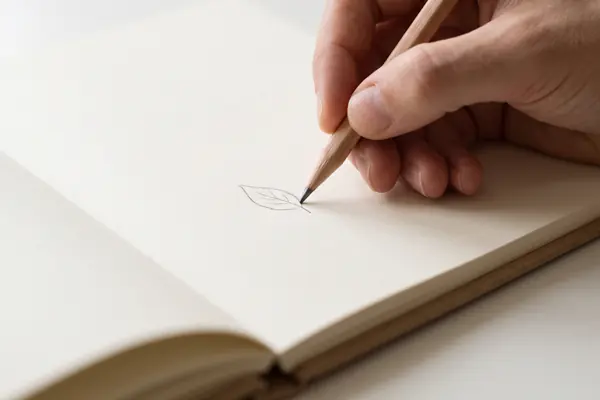
Many people add drawings, lettering and colour to the margins of a Bible, a practice often called Bible journaling. This page is about the art side only: the paper, the pens and how library conservators say to keep marked paper in good shape.
THIN PAPER gentle tools
Check your toolsTHE SHORT ANSWER
Three facts from paper history and library conservation
that shape how you draw on Bible paper.
THE PAPER
Oxford India paper, used for Bibles and encyclopaedias, is very thin but opaque. Oxford University Press first made its version at Wolvercote Mill in 1875.
The paper's storyTHE TOOL
The Library of Congress tells collections staff to mark paper in pencil, not ink, on a clean, hard surface so the writing is not embossed through to the other side.
Check your toolsTHE KEEPING
Library guidance is to keep paper cool, at about 35% relative humidity, with minimal exposure to light and no direct or intense light.
How to keep it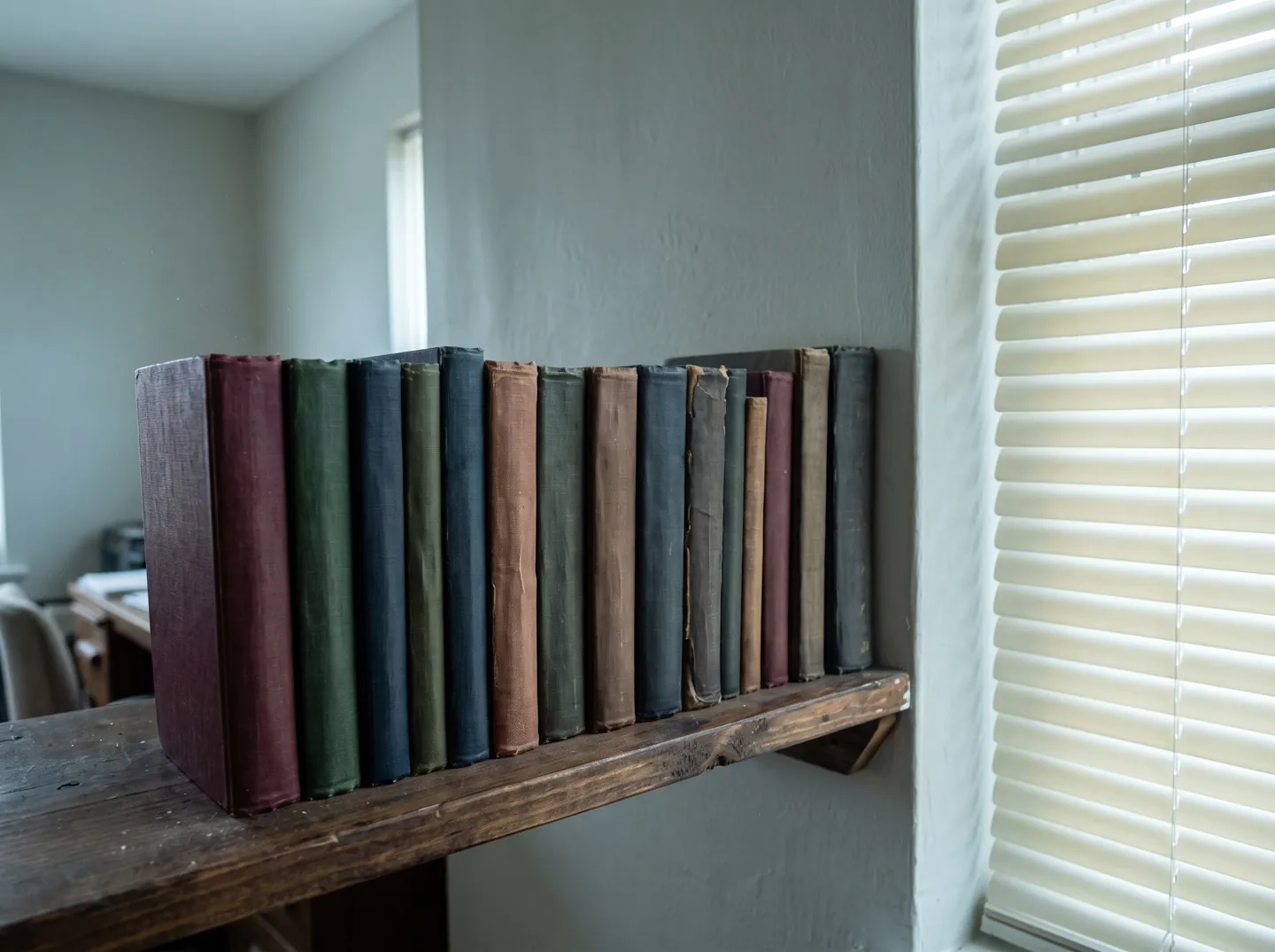
FOUR HABITS FROM PAPER CARE
These come from how libraries look after paper. They suit any book you draw in, and especially a thin-paper one.
A clean, hard surface under the sheet stops your line embossing through to the other side.
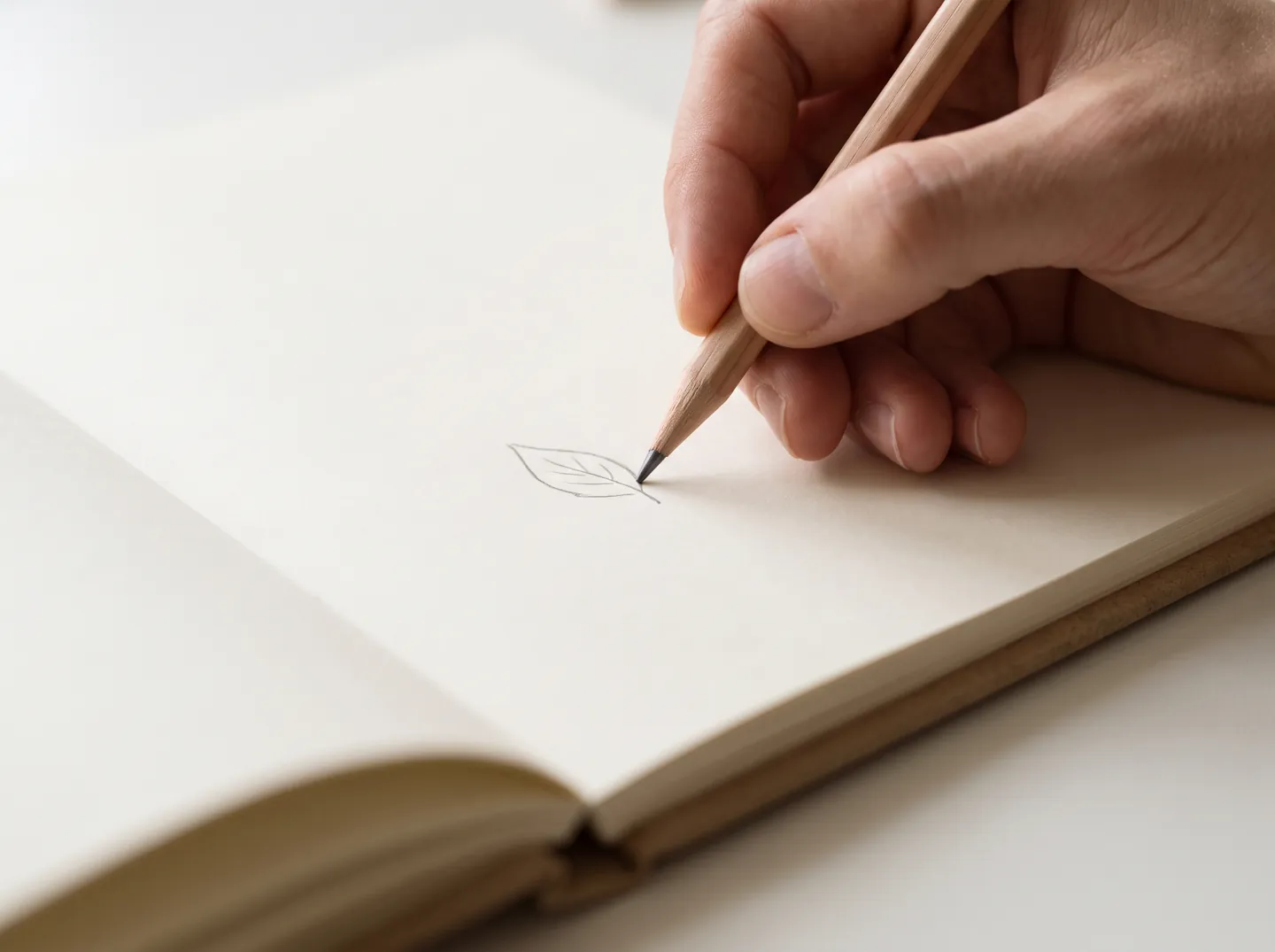
Pencil is the medium library staff use for marks on paper. Keep the pressure light.
Library guidance is not to use self-adhesive tape or glue on paper.
Store the book away from sunlight, radiators and damp, in a cool room.
TWO NUMBERS WORTH KNOWING
One date from the history of thin Bible paper,
one figure from library storage guidance.
1875
Oxford India paper first made at Wolvercote
The Museum of Oxford says the press's ultra-thin, hard-wearing paper was inspired by paper from China and East Asia, and was soon used for compact Bibles that sold widely.
INDIA PAPER · MUSEUM OF OXFORD
≈ 35%
Relative humidity for keeping paper
The Library of Congress suggests a cool, relatively dry, stable place at about 35% relative humidity. Its paper research page gives 30 to 40% for good long-term keeping.
STORAGE · LIBRARY OF CONGRESS
The Library of Congress says good quality paper stored in good conditions can last hundreds of years, while moisture and acids speed up decay.
A QUICK TOOL CHECK
Pick a tool or habit to see what library conservation guidance says about it. The bar shows how much caution the guidance points to.
Based on Library of Congress collections-care guidance and its research on felt-tip pen inks. General information about paper care, not a product test.
WHY BIBLE PAPER IS SO THIN
The Museum of Oxford describes Oxford University Press's long drive for ever thinner paper and more portable books. Its Oxford India paper, hard-wearing yet ultra-thin, was first made at Wolvercote Mill in 1875 and was soon used for small, high-quality Bibles.
A Bodleian Libraries webinar described the paper as very thin but opaque, used for Bibles, encyclopaedias and other long works. The Library of Congress notes that papermakers add sizing to paper to reduce absorbency and limit ink bleeding.
Questions
It is a name for adding drawings, lettering or colour to the margins and pages of a Bible. This site looks only at the art and paper side: materials, technique and keeping the pages in good condition.
The paper is very thin. Pressing hard also embosses a line into it, and the Library of Congress notes that embossing is visible from the other side of the sheet.
A Library of Congress study of felt-tip pen drawings found that the dye components of the inks faded with light at different rates. Library staff themselves use pencil, not ink, to mark paper.
Library of Congress care guidance says not to use self-adhesive tape or glue on paper.
Somewhere cool, relatively dry (about 35% relative humidity), stable and out of direct or intense light, away from radiators, attics and basements, according to the Library of Congress.
Updated
ABOUT THIS NAME
bibledoodle.com is part of the DoodleSale portfolio. It isn't in an auction right now, but you can ask about leasing it.